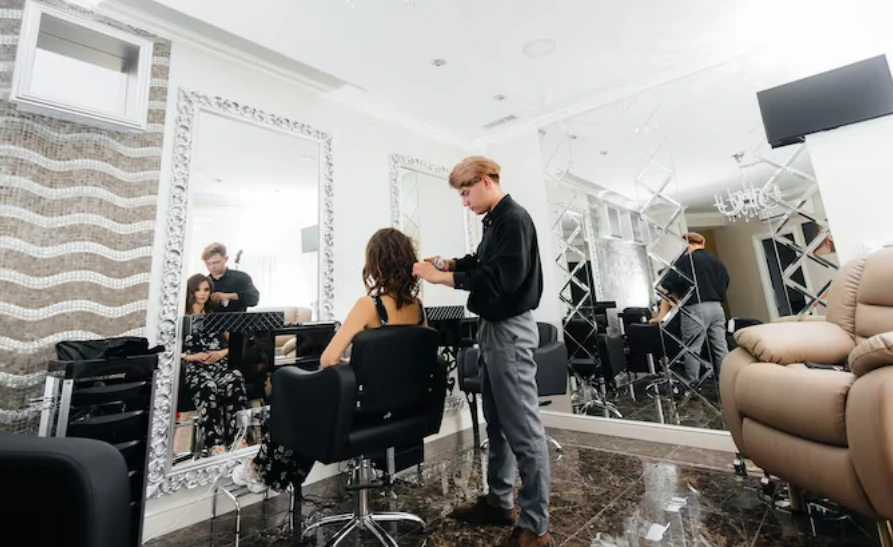
Opening a salon inside a house can involve more regulation than simply obtaining a professional cosmetology license. Home based salon laws may combine state professional licensing requirements with local zoning, building, fire, parking, sanitation, and business rules.
The home remains a residence, but once paying clients regularly enter the property, government agencies may treat part of it as a regulated commercial space.
A Professional License May Not Cover the Premises
A stylist’s individual license generally answers whether that person may perform regulated beauty services. A salon or establishment license answers a different question: whether the place itself may legally operate as a salon.
California provides a practical example. Its Board of Barbering and Cosmetology states that a home salon may operate when the required establishment application has been completed and the salon satisfies applicable requirements.
Owners comparing Florida business topics should therefore avoid assuming professional credentials alone authorize a residential location.
The Property Must Also Be Suitable
A licensing board may examine sanitation and salon configuration, while a city or county may focus on land use. Those systems can operate independently.
A salon might satisfy professional licensing requirements but still violate a local rule restricting customer traffic, signage, employees, parking, or commercial use in a residential district. The SBA specifically notes that business location affects zoning laws and regulatory obligations.
Zoning Can Decide Whether Clients May Visit
Home-occupation rules vary substantially. Some communities allow appointment-based businesses with minimal restrictions, while others impose conditions based on neighborhood character, traffic, noise, or the percentage of the home devoted to business.
Owners who follow Pennsylvania regional business news should still obtain zoning information directly from the municipality governing their property. A landlord, homeowners association, mortgage agreement, or insurance policy may also impose private restrictions separate from government licensing.
| Issue | Authority That May Apply | Question to Check |
|---|---|---|
| Beauty services | State licensing board | Is the practitioner properly licensed? |
| Salon premises | State board | Is an establishment license required? |
| Residential use | City or county | Is a home salon permitted here? |
| Safety | Local/state agencies | Are building or sanitation rules triggered? |
Client Safety Becomes a Business Obligation
A residential salon should be organized so normal household activities do not compromise service sanitation. Tools, products, clean linens, contaminated materials, and work surfaces may need controlled storage and cleaning procedures.
California regulations illustrate the level of detail beauty regulators may impose, including requirements concerning hand hygiene, clean linens, product containers, shampoo equipment, and treatment tables.
Businesses monitoring Ohio commercial developments should remember that another state’s rules are not a substitute for their own board’s standards.
For general planning, the SBA business-location guidance explains why zoning, registration, permits, and location-specific rules should be checked before opening.
Mistakes That Can Put a Home Salon Out of Compliance
The biggest error is treating a home salon as an informal side business that falls outside salon regulation. Charging clients can trigger professional and commercial rules even when appointments are limited.
Other problems may include operating before an establishment approval is issued, allowing unlicensed people to perform regulated services, failing to maintain required sanitation, or expanding into treatments outside the practitioner’s authorized scope.
Moving the business into a spare bedroom does not erase these obligations.
When to Get Professional Legal Guidance
Seek direct guidance before opening if zoning records are unclear, the property has deed or lease restrictions, or the licensing board does not clearly explain residential salons.
Professional advice can also be useful after a neighbor complaint, zoning notice, inspection violation, insurance dispute, or licensing allegation. Keep copies of permits, applications, inspection reports, and correspondence so the issue can be evaluated from actual documentation rather than memory.
Frequently Asked Questions
Can I operate a beauty salon from a spare room?
Possibly. Whether it is allowed depends on professional licensing rules, establishment requirements, local zoning, and potentially lease or homeowners-association restrictions.
Does a home salon need a separate entrance?
Some jurisdictions may impose layout or access requirements, while others may not. Check the establishment rules and local building or zoning standards applicable to the property.
Can homeowners insurance cover salon clients?
Standard residential coverage may not address commercial salon risks. Owners should discuss business activity with an insurance professional and review policy exclusions before serving clients.
Make the House Legally Ready for Business
A home salon works best when the operator treats the location as a regulated workplace rather than simply a convenient room. Confirm the professional license, establishment approval, local zoning position, and sanitation requirements before clients begin arriving.
Resolving those questions early gives the business a firmer foundation and makes later inspections or licensing reviews easier to handle.
This article provides general legal information and is not a substitute for advice from a qualified attorney or licensing authority.